The context
OLX is a classifieds platform with around 22 million monthly users in Brazil
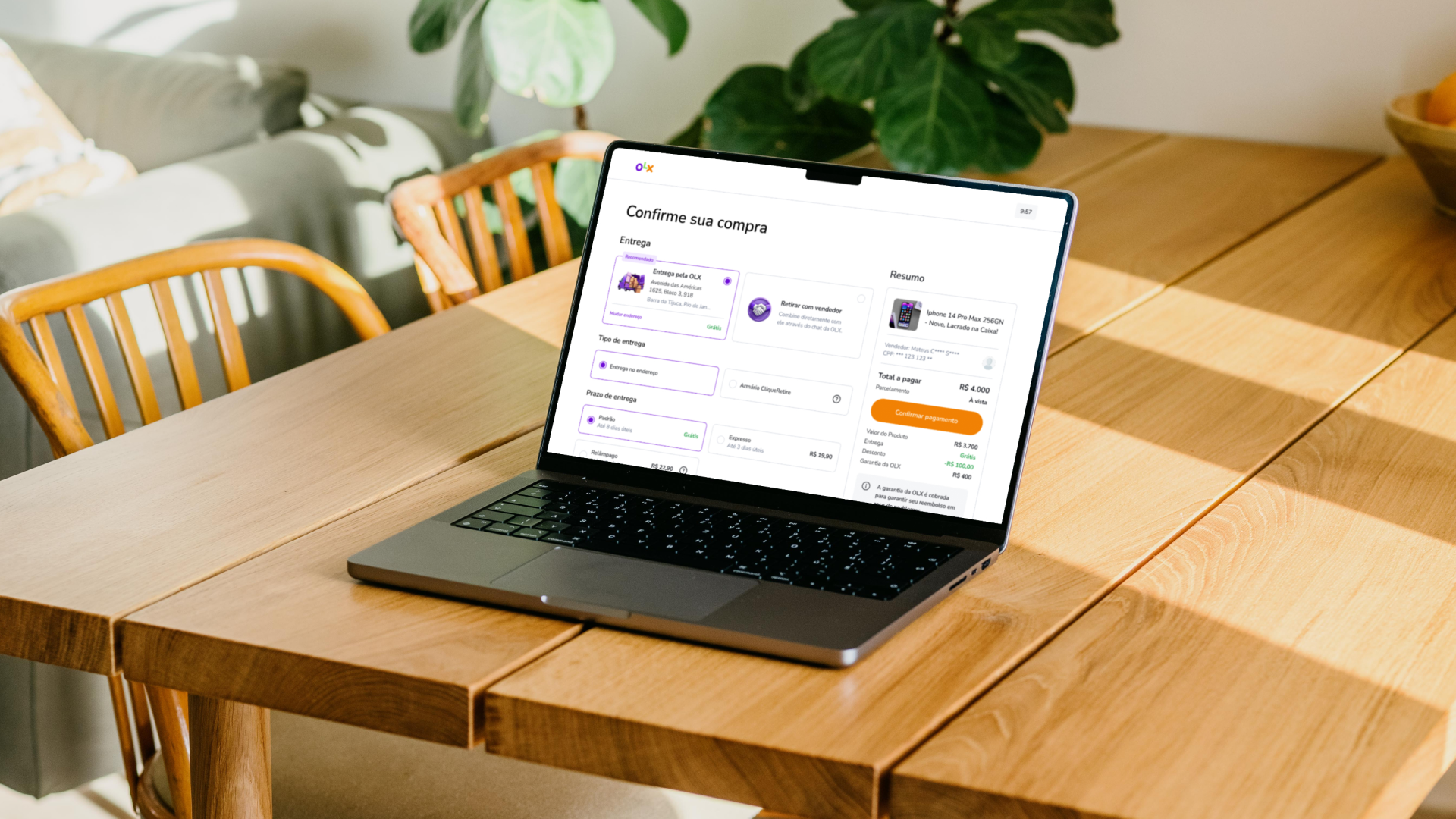
Since 2020, OLX started offering a transactional purchase model to its users, where the buyer pays through the platform and receives the item at home, while the seller receives the payment and also handles the shipment of the good through OLX.
Now, users needed to opt in to sell on the pay and ship model, but this model represented a major paradigm shift, given that for many years users were accustomed to buying through the traditional classifieds model, where they contacted each other and arranged a meeting and payment directly between themselves.
The challenge
I joined the ad insertion team when they were finishing structural technical deliveries, and we would soon have space for a deeper review of the experience. The flow had several experience issues that moved us away from our business goals, and in this case study, I will show how we discovered and solved them, generating positive impacts for the business.
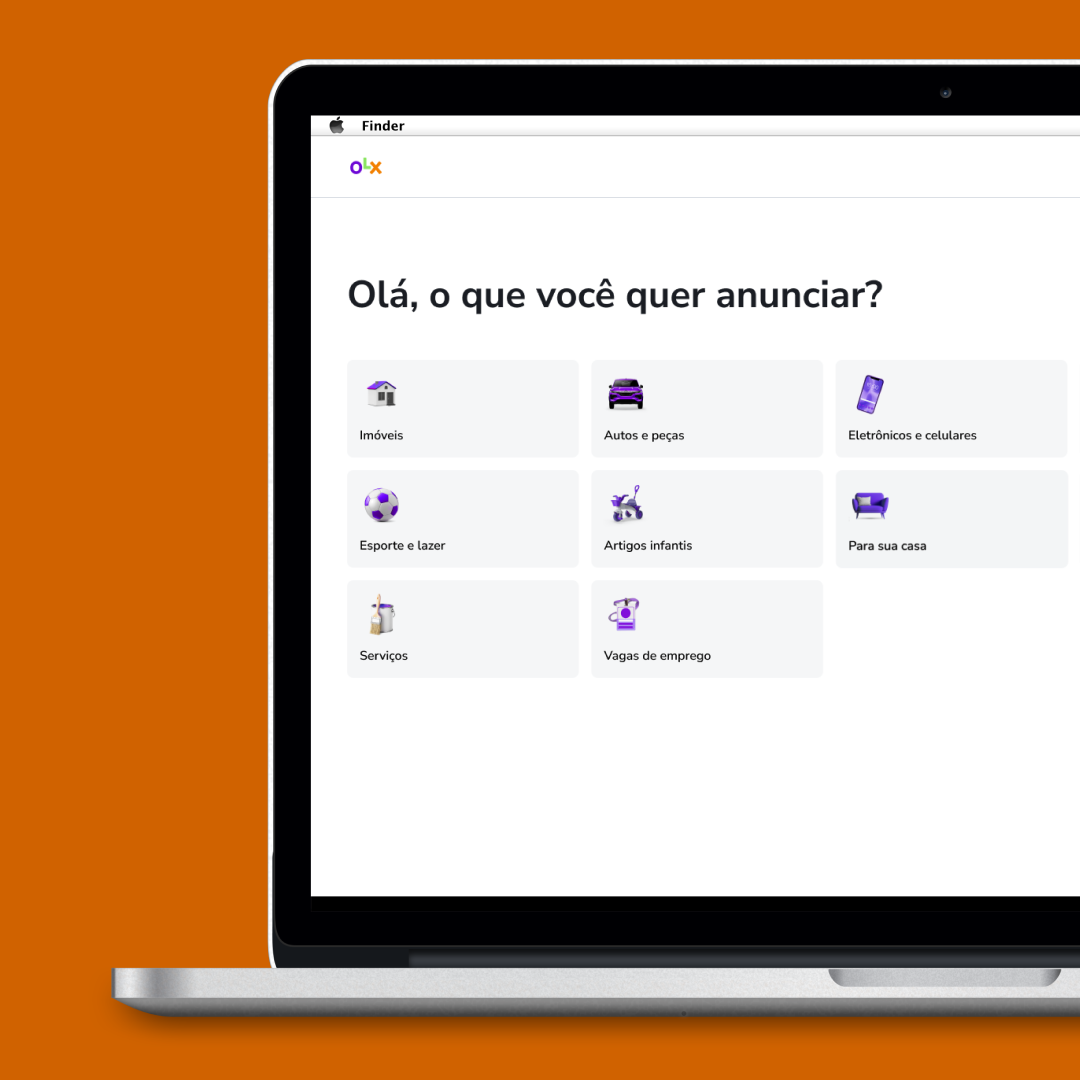
Business goals
For the product to be sustainable with this new model, it is necessary to have a vast inventory of listings available so that buyers are attracted by the variety and generate a high volume of transactions.
↑ Transactions volume
↑ New transactional ads
↑ Ad insertion conversion rate
↑ Ad completion rate
↓ Canceled sales
Data & Desk research
In conjunction with the Product Manager and the Data Analyst, we gathered all the existing knowledge within the team on the topic, with emphasis on the following information
A relevant amount of users complained about the lack of photo editing in CSAT and in store reviews.
Ads that were more complete and had more photos had higher conversion rates.
Only 40% of the base was already aware of the transactional model, and 15% had made a direct purchase/sale through the platform.
"I don't know how it works" is among the top 3 reasons for seller non-adherence to the transactional model (21% total).
A relevant number of users reported one of the reasons for non-adherence was that they "would like to be able to sell using the transactional model, but without offering delivery via OLX".
85% of users spent less than 10 seconds on the opt-in screen, however the ones that spent more time than that had greater tendency to complete the registration form. As well we had an important drop-off rate on the post opt-in registration screen.
Usability testing
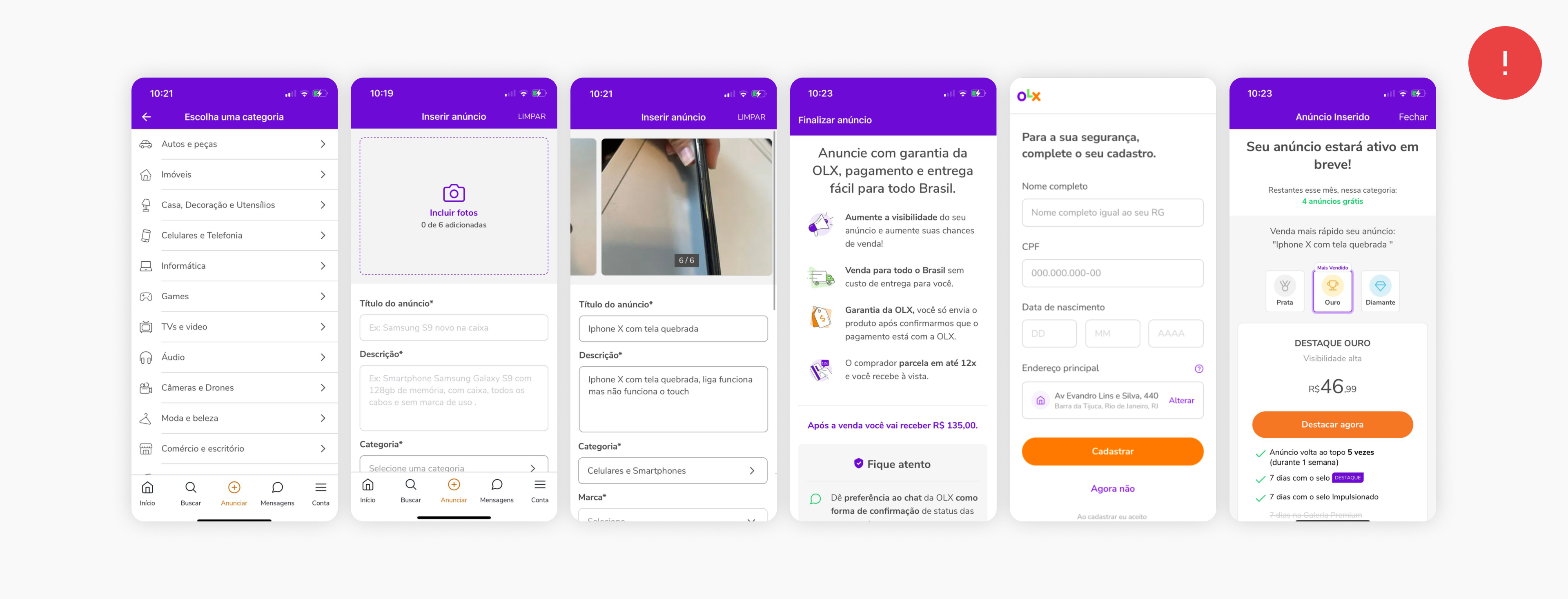
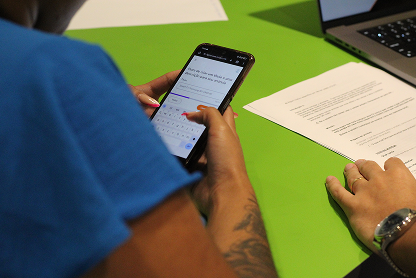
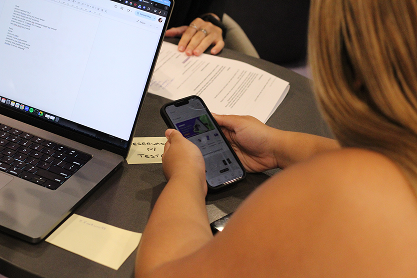
To complement the quantitative data, we have planned and executed usability tests, in partnership with the Research Team. The goal was to gain a qualitative perspective on the pain points. Users were invited to interact with the following flow:
Insights
By observing and interviewing users throughout the entire ad insertion journey, we were able to map out several pain points. Based on our business objective, we prioritized the following
Extensive and Complex Form
Users perceived the ad details form as overly extensive and information-heavy, due to the single-step input requirement; additionally, the photo insertion workflow lacked essential features like reordering and rotation, which led to lower-quality listings.
Misunderstanding About Payment and Shipping Methods
Doubts about how the item will be shipped (Post Office, Carrier/Shipping company), fees, and the receipt of money, resulting in non-adherence/non-subscription/non-purchase.
Involuntary Opt-In
They activate sales in the transactional model without knowing they are doing so, resulting in cancelled sales. It happened because of cognitive overload due to the excess of information on the adherence page.
Ideation & prototyping
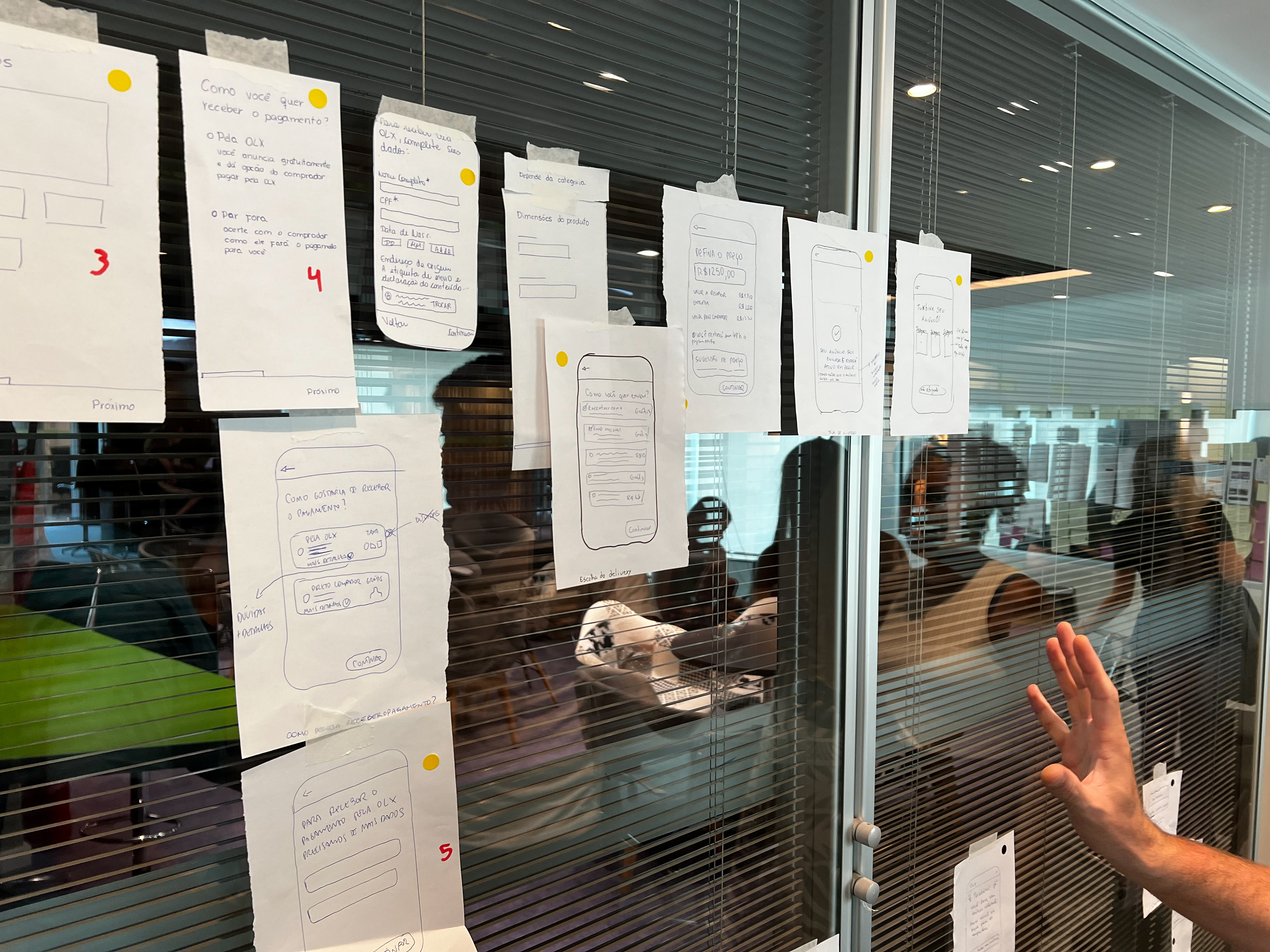
As we were planning to make a major experience update, we conducted an ideation workshop, gathering key people from design, product and engineering to generate and prioritize solution hypothesis
We ideated in groups using paper prototypes, assessed and refined the proposals together via dot voting and generated the following macro hypothesis:
Macro Hypothesis 1
Conversion
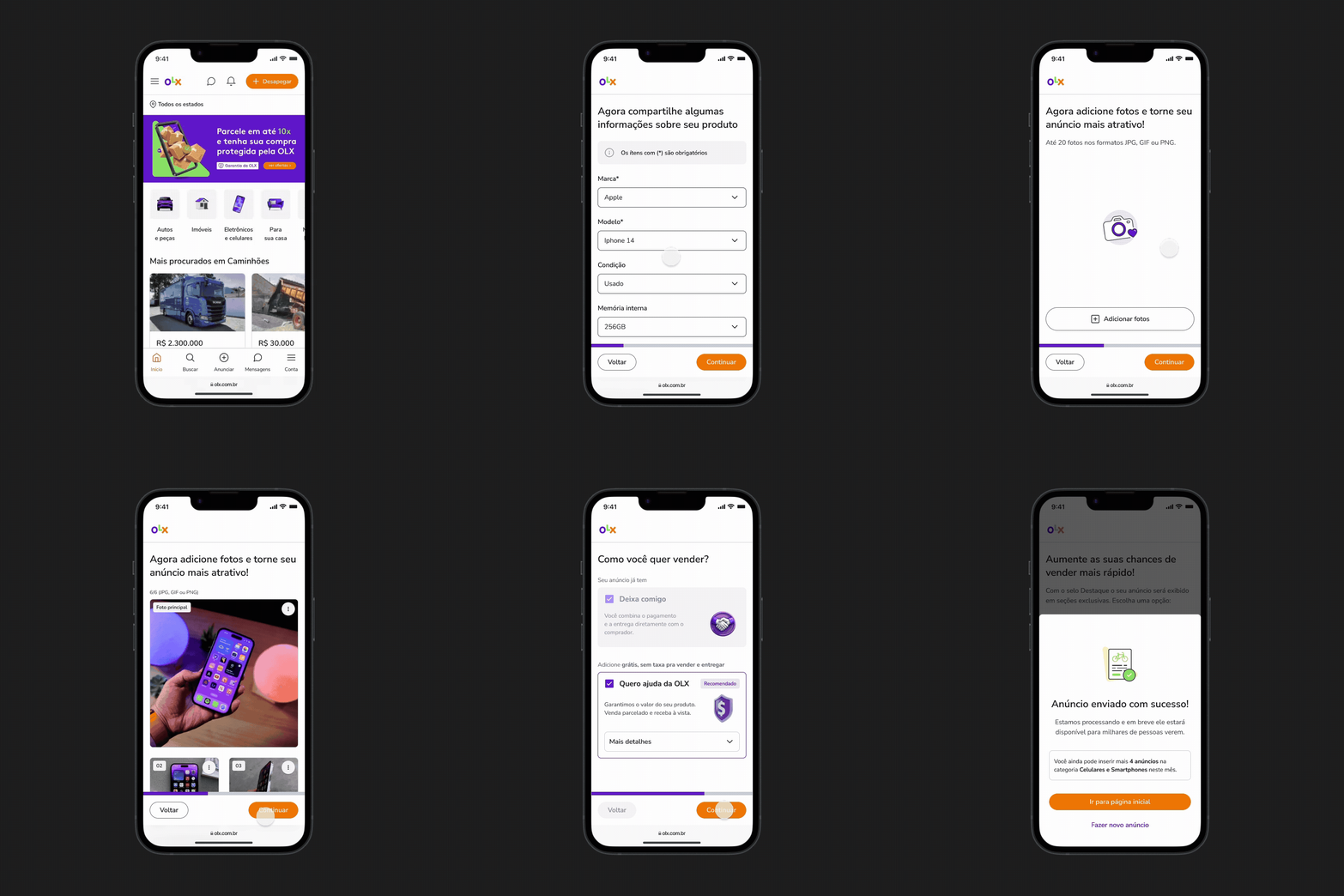
If we break down the form into multiple steps, we will increase the conversion rate and the ad completion rate due to cognitive biases like the Information Chunking Principle and the Endowed Progress Effect.
Macro Hypothesis 2
Transactional Opt-in
If we simplify the communication regarding the transactional model and offer the option not to use OLX delivery, we will increase opt-in and reduce sales cancellations, because users will better understand the benefits and adhere to the model with full awareness.
Other benefits of breaking the process down into steps include greater ease in tracking user progress and more autonomy for verticals to add steps that are relevant to their specific contexts
testing
To validate the solution, I prepared a medium-fidelity prototype so we could test with users
The solution proved promising, and with minor adjustments resulting from the tests, we moved on to its development and the A/B testing phase.
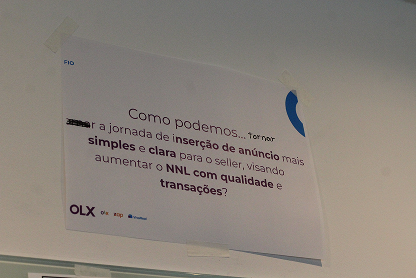

The delivery
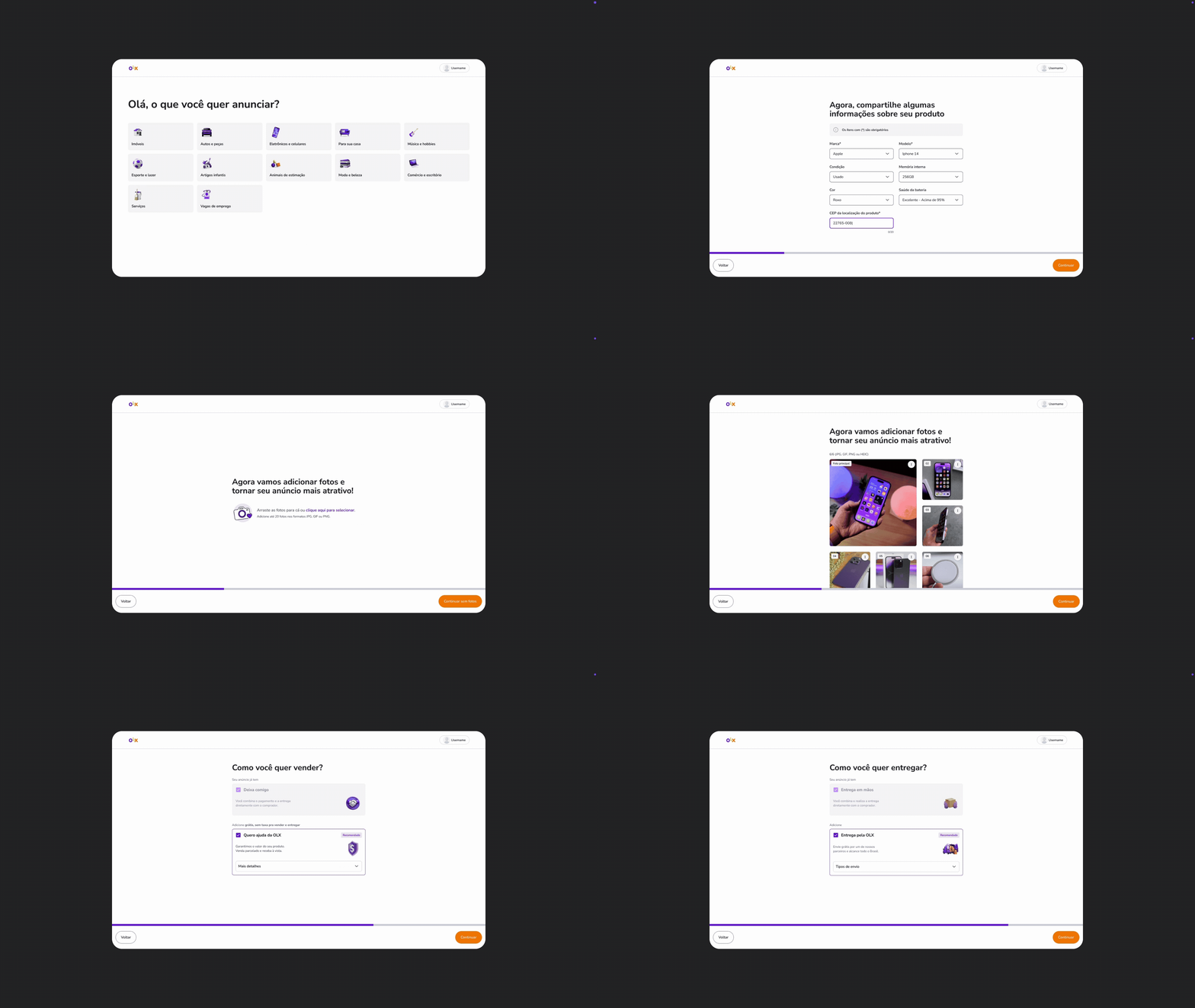
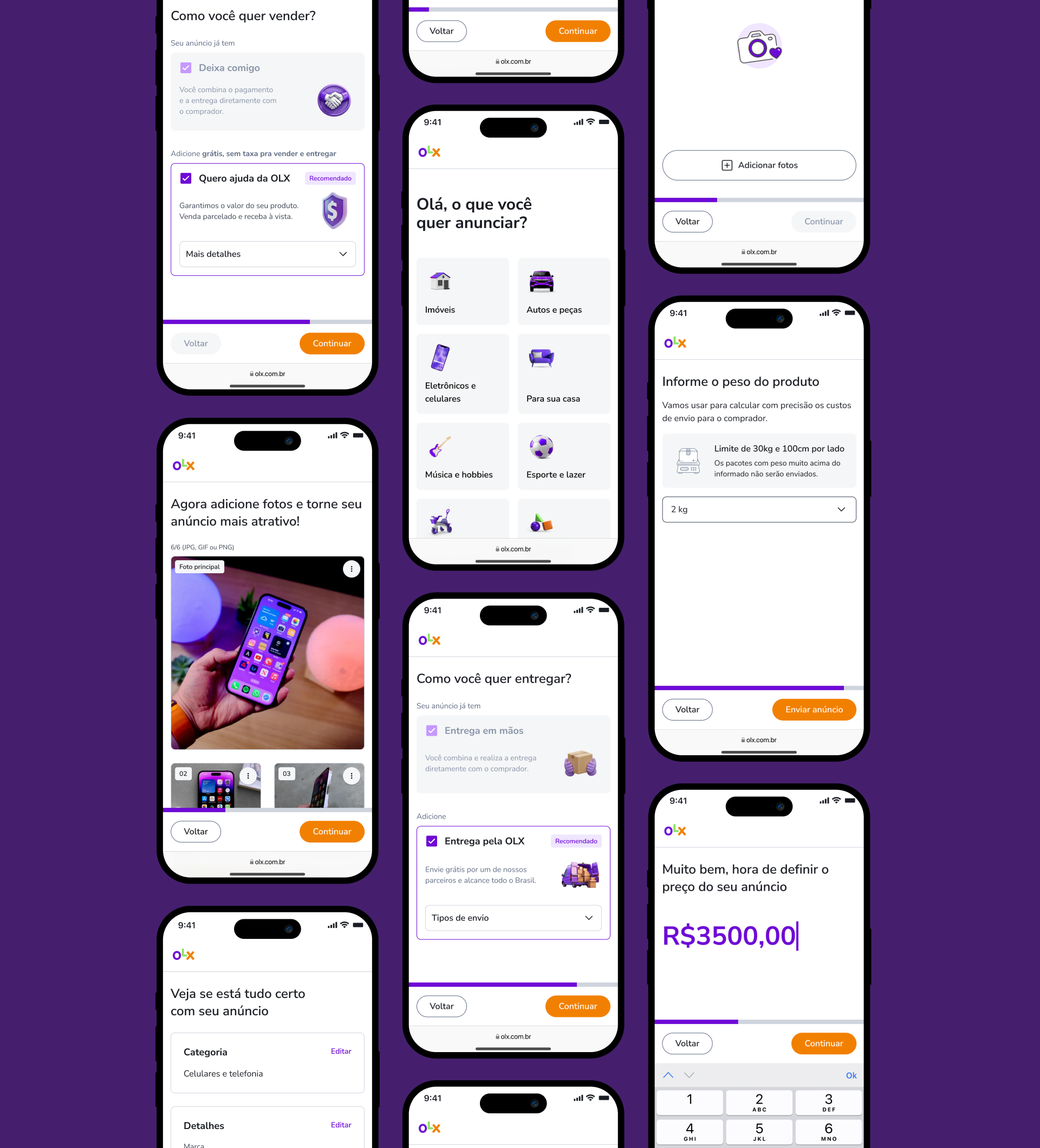
We delivered and tested this brand new optimized step by step ad insertion experience
Outcomes
Users not only reduced cancellations but also increased the opt-in rate because, by better understanding the model's benefits, they were more willing to complete the registration.
+6% Opt-in to Transactional Model
+21% Users Who Stay Up to 10 Seconds on Opt-In Screen
-19% Cancelled Sales